
Was kostet eine Wallbox in Deutschland 2026?
Zuletzt aktualisiert: April 2026
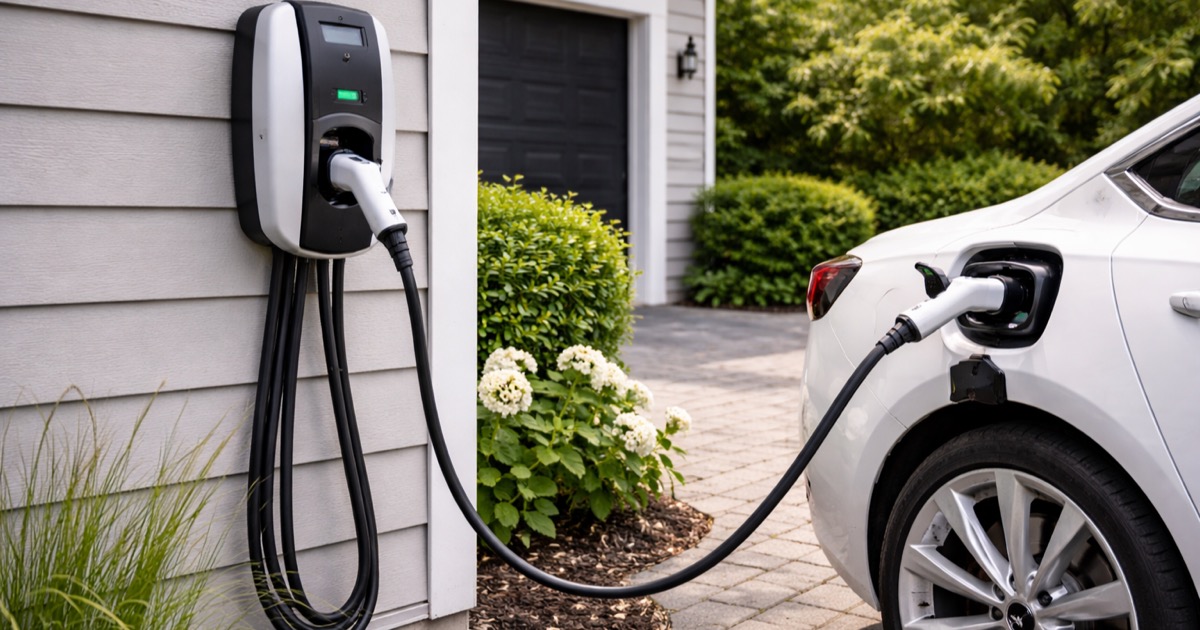
Die Kosten für eine Wallbox hängen in Deutschland von Ladeleistung, Kabellänge, Erdarbeiten und der Eignung des Zählerschranks ab. Typische Marktpreise liegen 2026 bei €1.000 bis €3.500 pro Anlage.
Die Range enthält meist Wallbox, Standardmontage und Anmeldung; Tiefbau, Lastmanagement und größere Elektroanpassungen werden oft extra kalkuliert.
Kennen Sie jemanden, der dieses Projekt plant?
Teilen Sie diesen Kostenratgeber in 5 Sekunden.
Berechnen Sie Ihre geschätzten Kosten
Dies ist eine Schätzung auf Grundlage durchschnittlicher Preise im Jahr 2026. Die tatsächlichen Kosten können abweichen. Holen Sie immer mehrere Angebote ein, um einen genauen Preis zu erhalten.
Kostenfaktoren
Die Gesamtkosten setzen sich in Deutschland typischerweise aus diesen Bausteinen zusammen:
- Gerät und Kernkomponenten: 45–65% der Gesamtkosten
- Montage und Inbetriebnahme: 20–30% der Gesamtkosten
- Leitungen und Elektroarbeiten: 10–20% der Gesamtkosten
- Einstellung, Dokumentation und Nebenarbeiten: 5–15% der Gesamtkosten
Je nach Gebäudezustand und Zugänglichkeit können sich die Anteile merklich verschieben.
Warum unterscheiden sich die Preise?
- Gerätegröße und Leistung: Mehr Leistung oder zusätzliche Komponenten verteuern Material und Einbau.
- Bestandsanlage: Je mehr am vorhandenen System angepasst werden muss, desto höher die Montagekosten.
- Leitungswege: Lange Kabel- oder Rohrwege erhöhen Material und Arbeitszeit.
- Dokumentation und Normen: Messungen, Anmeldung und Abnahme verursachen in Deutschland oft Zusatzkosten.
Förderungen & Zuschüsse
Aktuell gibt es in Deutschland keine dauerhaft offene bundesweite Standardförderung für private Wallboxen. Regionale Programme und Energieversorger können aber Zuschüsse anbieten.
Regionale und lokale Förderungen
Manche Städte, Länder oder Stadtwerke fördern private Ladeinfrastruktur zeitweise.
- Verfügbarkeit ändert sich regelmäßig
- häufig nur für bestimmte Netzgebiete oder in Kombination mit PV relevant
- Antrag fast immer vor Auftragserteilung stellen
Steuerbonus auf Arbeitskosten
Wenn keine direkte Förderung greift, kann die Lohnleistung steuerlich entlastet werden.
- 20% der Arbeitskosten können in vielen Fällen angesetzt werden
- Material und Wallbox selbst zählen nicht mit
- saubere Rechnung und Überweisung sind Pflicht
Regionale Preisunterschiede
Wählen Sie eine Stadt, um lokale Preise und Verfügbarkeit zu sehen.
Ist Ihre Stadt nicht dabei?
Alle Fachbetriebe für elektroarbeiten ansehenHäufig gestellte Fragen
Ähnliche Kostenratgeber
Kerndämmung
Hohlraumdämmung kostet in Deutschland 2026 meist 1.500 bis 3.500 Euro pro Haus. Erfahre, wann Kerndämmung technisch sinn...
Heimspeicher installieren
Heimspeicher kosten in Deutschland 2026 meist 2.500 bis 7.500 Euro. Vergleiche Kapazität, Wechselrichter und Montagekost...
Sicherungskasten erneuern
Ein neuer Zählerschrank kostet in Deutschland 2026 meist 1.200 bis 4.000 Euro. Vergleiche TAB-Vorgaben, Überspannungssch...