
What does a consumer unit replacement cost in the UK in 2026?
Last updated: April 2026
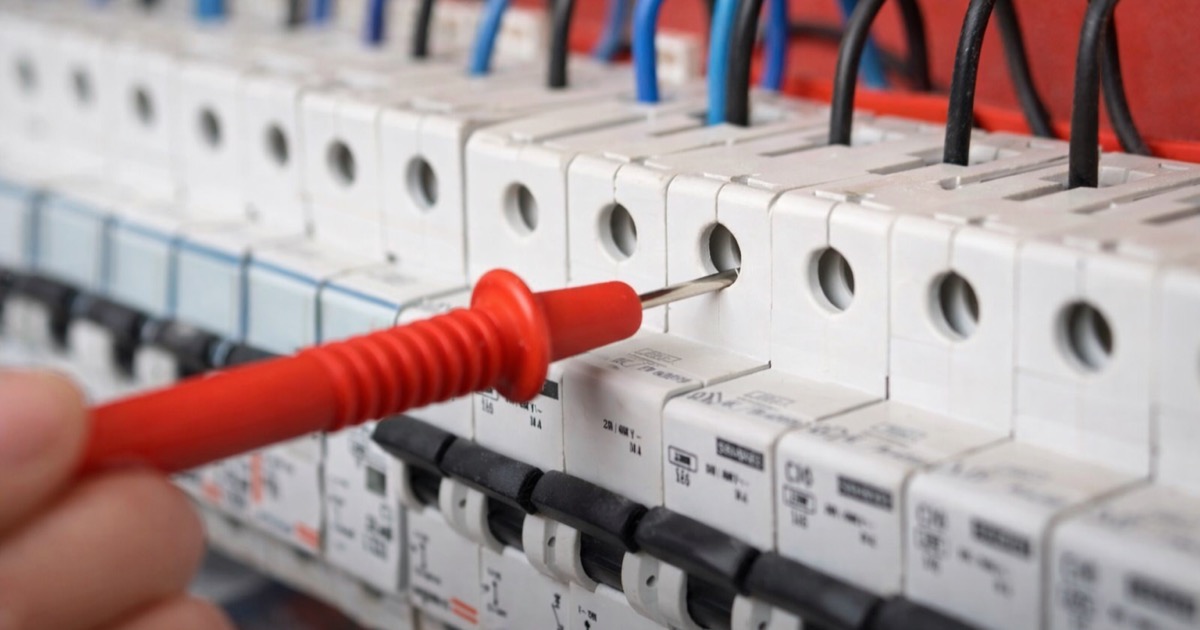
The consumer unit (often called the fuse board or fuse box) is the heart of your home's electrical system — it distributes electricity to circuits and protects them with circuit breakers or RCDs (Residual Current Devices). In the UK, outdated consumer units — particularly old-style rewirable fuse boards — present a fire and safety risk and are typically replaced when a property is sold, renovated, or when additional circuits are needed.
A standard consumer unit replacement in a typical UK home costs £500–£1,000. Larger homes or those requiring additional circuits, new earthing, or full installation checks (Electrical Installation Condition Report / EICR) may cost £1,000–£1,500+.
All consumer unit replacement work in England, Wales, and Scotland is notifiable under Part P of the Building Regulations and must be carried out by a registered electrician (NICEIC, NAPIT, or ELECSA registered).
Know someone considering this project?
Share this cost guide in 5 seconds.
Calculate your estimated costs
This is an estimate based on average 2026 prices. Actual costs may vary. Always request multiple quotes for an exact price.
Cost factors
Consumer unit replacement costs in the UK depend on home size, number of circuits, and whether an EICR is required.
- Consumer unit replacement (1–3 bedroom home): £500–£800
- Consumer unit replacement (4+ bedroom home): £700–£1,200
- Upgrade to split-load RCD consumer unit: £600–£1,000
- Electrical Installation Condition Report (EICR): £150–£400
- Additional circuit installation: £150–£400 per circuit
- Earthing upgrade (if required): £100–£300
Most electricians include the Part P self-certification notification in their price. Confirm this before accepting a quote — it saves you notifying the building control yourself.
Why do prices vary?
- Number of circuits: More circuits (sockets, lighting, heating, EV charger, solar, etc.) require a larger consumer unit with more ways. Larger units cost more to supply and take longer to wire.
- Old fuse board type: Older rewirable fuse boards (with ceramic fuses) are simple to replace. Some older installations with aluminium wiring or inadequate earthing require additional remedial work.
- EICR requirement: Landlords are legally required to have an EICR every 5 years. Many electricians recommend an EICR before or combined with consumer unit replacement to identify any additional faults.
- AFDD (Arc Fault Detection Device): The 18th Edition IET Wiring Regulations (updated 2022) now recommends AFDDs in certain locations. Adding AFDDs to each circuit increases cost but improves protection against electrical fire.
- Location and access: Consumer units are normally in the hallway, under stairs, or in a utility room. Awkward locations add labour time.
Subsidies & incentives
No UK government grant currently covers consumer unit replacement. However, if an EICR reveals dangerous electrical conditions in a rented property, local councils may require landlords to fund remedial work under the Housing Health and Safety Rating System (HHSRS). Some local authorities offer grants or interest-free loans for safety-related home improvements for vulnerable owner-occupiers — check with your local council. VAT at 20% applies to electrical installation work.
Regional price differences
Choose a city to view local prices and availability.
Is your city not listed?
View all electrical professionalsFrequently asked questions
Related cost guides
Smart home installation
Smart home installation in the UK costs £500–£15,000 depending on scope. From smart heating controls to full KNX automat...
Home battery installation
A home battery storage system costs £4,000–£10,000 in the UK. Find out how batteries work with solar panels and whether...
EV charger installation
A home EV charger installation in the UK costs £700–£1,500. Find out about charger types, installation requirements, and...