
Dormer installation in Manchester
Prices are valid for 2026 and are indicative
Here you can see what dormer installation in Manchester costs on average. We explain what the price consists of and which local factors have the biggest impact.
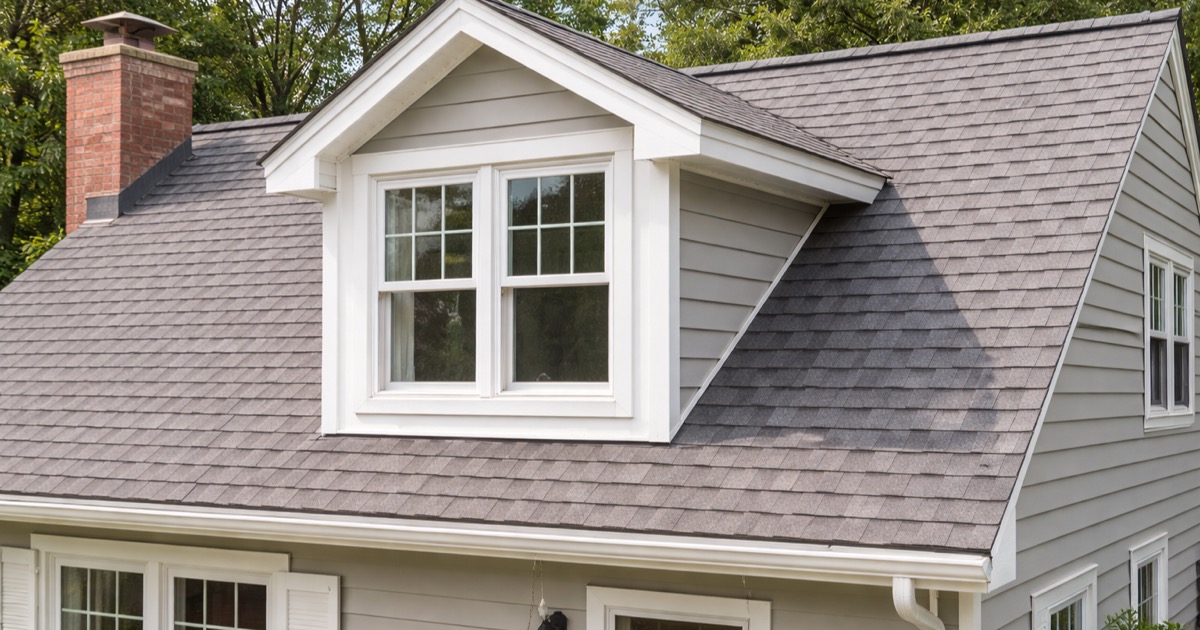
Total costs for a dormer loft conversion in the UK range from £35,000 to £75,000, depending on size, location, and specification. A single rear dormer (creating one bedroom or en-suite) typically runs £35,000–£50,000. Full l-shaped or hip-to-gable conversions with multiple rooms run £55,000–£80,000+.
Most dormer loft conversions benefit from Permitted Development Rights in England and Wales — meaning no planning permission is required. However, in Conservation Areas, London Boroughs, and for listed buildings, planning permission is needed. Building Regulations approval is always required.
Know someone in Manchester considering this project?
Share this local price indication in 5 seconds.
Local price
£37.800 - £81.000
8% higher than average
Average response time
-
No response time known yet
Calculate your estimated costs
This is an estimate based on average 2026 prices. Actual costs may vary. Always request multiple quotes for an exact price.
Cost factors
Dormer loft conversion costs in the UK for a typical 3-bedroom semi-detached or terraced house.
- Single rear dormer (bedroom + en-suite): £35,000–£55,000
- Hip-to-gable conversion (detached/semi): £45,000–£65,000
- L-shaped dormer (rear + side return): £55,000–£80,000
- Mansard conversion (flat top, steep sides): £60,000–£100,000
- Velux (roof light) conversion — no dormer: £15,000–£30,000
- Architect fees and structural engineer: £2,000–£6,000
London loft conversion costs are typically 20–40% higher than the national average due to higher labour costs and the prevalence of party wall agreements in terraced properties.
Why do prices vary?
- Dormer type: A rear box dormer maximises space but alters the roof profile. Hip-to-gable suits detached and semi-detached houses. Velux conversions are cheaper but provide less headroom. Mansard conversions (popular in London) maximise space but require planning permission.
- Existing roof structure: Cut roof constructions (rafters) are more adaptable than trussed rafter roofs (common in post-1960s homes). Trussed rafters require a structural engineer and steel support beams, adding £3,000–£8,000.
- Party wall issues: Terraced and semi-detached properties require a Party Wall Agreement with affected neighbours. This adds £700–£2,000 in surveyor fees and can cause delays if a neighbour is uncooperative.
- Stairs and floor structure: A loft staircase typically replaces a bedroom cupboard or landing space. This requires structural changes and a door relocation. Floor joists may need upgrading to habitable-room standards (40 kg/m²+).
- Finish specification: Basic conversion with carpet and standard bathroom: add £8,000–£15,000 for fittings and finishes. Premium spec with en-suite, bespoke joinery, and air conditioning: add £20,000–£40,000.
Subsidies & incentives
No specific UK government grant exists for loft conversions. The improvement may attract Stamp Duty Land Tax (SDLT) benefits if it makes the property eligible for a different council tax band. VAT at 20% applies to loft conversion construction work (standard rate). If the property is more than 2 years old, a 5% reduced VAT rate applies to conversions that change the number of dwellings (e.g., converting a house into flats) — not typically relevant for standard loft conversions. Loft conversions in Scotland may be eligible for interest-free loans through Home Energy Scotland if they include insulation improvements.
Local considerations in Manchester
Above average (+8%)Northern England's largest city — fast-growing renovation market with prices 15–25% below London average.
Housing characteristics in Manchester
Manchester is the economic and cultural hub of the North West, with a housing market that has grown rapidly driven by a booming tech, media (MediaCityUK), and financial services economy. The residential housing stock is predominantly Victorian and Edwardian red brick terraces — densely packed in inner suburbs like Hulme, Rusholme, and Ancoats — alongside the inter-war semi-detached houses of Didsbury, Sale, and Chorlton that are among the most sought-after addresses in the North West. The city experiences some of the highest annual rainfall in England, making insulation, damp-proofing, and efficient heating systems particularly important. Cavity wall insulation and loft insulation have been widely retrofitted through successive ECO schemes. Greater Manchester's excellent tram (Metrolink) and road networks make trade access straightforward. Day rates for skilled tradespeople are competitive — typically 15–25% below London — while material costs are broadly national. The growing urban apartment market (particularly in MediaCityUK, Ancoats, and the Northern Quarter) creates strong demand for interior renovations, kitchen and bathroom upgrades, and smart home installations. Greater Manchester has an ambitious Net Zero strategy that is driving significant heat pump and solar adoption across the region.
- Victorian red brick terraces and inter-war semis dominate residential stock
- Strong growth in city-centre apartment and conversion projects
- High rainfall and cold winters drive demand for insulation and heating upgrades
- Trade day rates competitive compared to London and South East
- competitive contractor market with varied pricing
- mix of period and modern housing stock
- good availability of specialist tradespeople
- Building Regulations approval always required — separate from planning permission
- Party Wall Act: Party Wall Notice required for terraced and semi-detached properties
- Permitted Development: rear dormers covered in most cases — not valid in Conservation Areas
- London prices typically 20–40% above national average
Handymen for Dormer installation
Are you a professional?
Join the network and receive new requests.