
Dormer installation in Cardiff
Prices are valid for 2026 and are indicative
Here you can see what dormer installation in Cardiff costs on average. We explain what the price consists of and which local factors have the biggest impact.
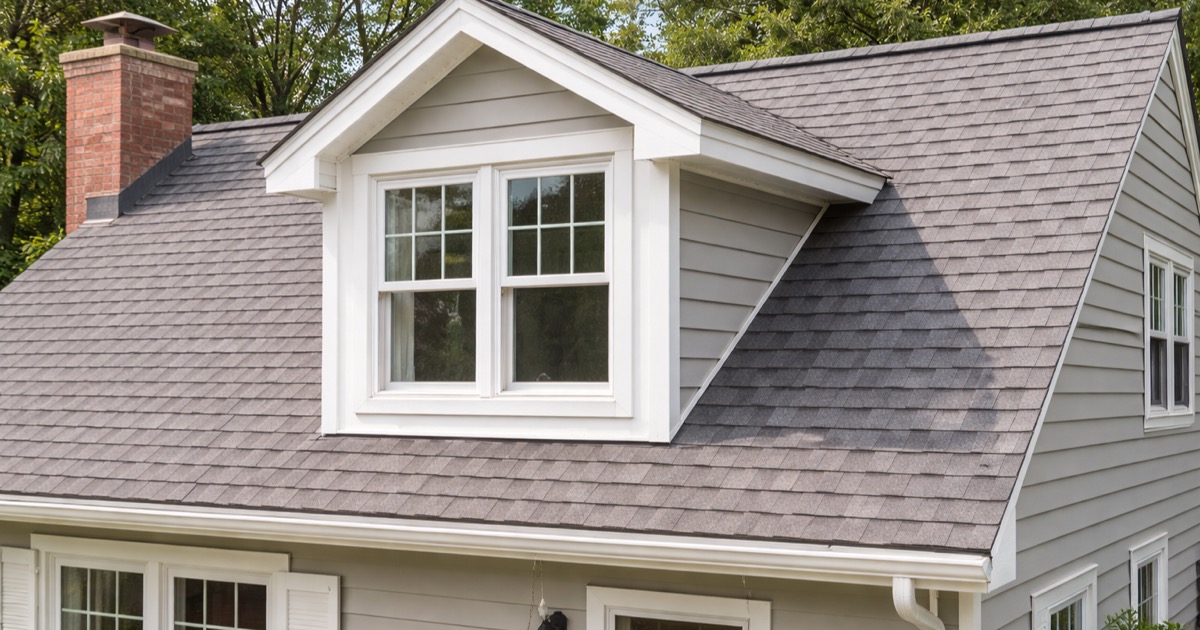
Total costs for a dormer loft conversion in the UK range from £35,000 to £75,000, depending on size, location, and specification. A single rear dormer (creating one bedroom or en-suite) typically runs £35,000–£50,000. Full l-shaped or hip-to-gable conversions with multiple rooms run £55,000–£80,000+.
Most dormer loft conversions benefit from Permitted Development Rights in England and Wales — meaning no planning permission is required. However, in Conservation Areas, London Boroughs, and for listed buildings, planning permission is needed. Building Regulations approval is always required.
Know someone in Cardiff considering this project?
Share this local price indication in 5 seconds.
Local price
£35.000 - £75.000
Average price
Average response time
-
No response time known yet
Calculate your estimated costs
This is an estimate based on average 2026 prices. Actual costs may vary. Always request multiple quotes for an exact price.
Cost factors
Dormer loft conversion costs in the UK for a typical 3-bedroom semi-detached or terraced house.
- Single rear dormer (bedroom + en-suite): £35,000–£55,000
- Hip-to-gable conversion (detached/semi): £45,000–£65,000
- L-shaped dormer (rear + side return): £55,000–£80,000
- Mansard conversion (flat top, steep sides): £60,000–£100,000
- Velux (roof light) conversion — no dormer: £15,000–£30,000
- Architect fees and structural engineer: £2,000–£6,000
London loft conversion costs are typically 20–40% higher than the national average due to higher labour costs and the prevalence of party wall agreements in terraced properties.
Why do prices vary?
- Dormer type: A rear box dormer maximises space but alters the roof profile. Hip-to-gable suits detached and semi-detached houses. Velux conversions are cheaper but provide less headroom. Mansard conversions (popular in London) maximise space but require planning permission.
- Existing roof structure: Cut roof constructions (rafters) are more adaptable than trussed rafter roofs (common in post-1960s homes). Trussed rafters require a structural engineer and steel support beams, adding £3,000–£8,000.
- Party wall issues: Terraced and semi-detached properties require a Party Wall Agreement with affected neighbours. This adds £700–£2,000 in surveyor fees and can cause delays if a neighbour is uncooperative.
- Stairs and floor structure: A loft staircase typically replaces a bedroom cupboard or landing space. This requires structural changes and a door relocation. Floor joists may need upgrading to habitable-room standards (40 kg/m²+).
- Finish specification: Basic conversion with carpet and standard bathroom: add £8,000–£15,000 for fittings and finishes. Premium spec with en-suite, bespoke joinery, and air conditioning: add £20,000–£40,000.
Subsidies & incentives
No specific UK government grant exists for loft conversions. The improvement may attract Stamp Duty Land Tax (SDLT) benefits if it makes the property eligible for a different council tax band. VAT at 20% applies to loft conversion construction work (standard rate). If the property is more than 2 years old, a 5% reduced VAT rate applies to conversions that change the number of dwellings (e.g., converting a house into flats) — not typically relevant for standard loft conversions. Loft conversions in Scotland may be eligible for interest-free loans through Home Energy Scotland if they include insulation improvements.
Local considerations in Cardiff
Average (baseline)Welsh capital with its own planning rules and funding schemes. Welsh Government grants complement UK-wide schemes.
Housing characteristics in Cardiff
Cardiff is the capital and largest city of Wales, with a housing market that has grown rapidly driven by public sector employment, university expansion, and inward investment into the Cardiff Capital Region. The housing stock reflects Cardiff's development from a Victorian coal-export port city: inner suburbs like Pontcanna, Roath, and Canton contain some of Wales's finest Victorian and Edwardian terraces and semis, while the outer suburbs of Heath, Rhiwbina, and Lisvane feature the large inter-war and post-war semis popular with professional families. Cardiff Bay (the former docklands) has seen extensive commercial and residential development since the 1990s, including the National Assembly building and many waterfront apartment blocks. Planning rules in Wales differ from England: Welsh Permitted Development Rights were diverged from England following devolution, so what's permitted in England for extensions and loft conversions may not apply in Cardiff — always check with the local planning authority. The Welsh Government's Nest scheme provides free insulation measures for Welsh homeowners on lower incomes, complementing UK-wide ECO4 funding. High annual rainfall in South Wales (Cardiff receives around 1,200 mm per year) makes damp-proofing, waterproofing, and insulation particularly important. Trade rates are broadly at the national average to slightly below.
- Mix of Victorian terraces, inter-war semis, and modern development
- Welsh planning rules and permitted development rights differ from England
- Nest scheme (Wales) offers free insulation for eligible households
- High rainfall — coastal and valley exposure drives damp and insulation demand
- standard Building Regulations and planning requirements
- broad selection of local and regional contractors
- typical scheduling availability throughout the year
- Building Regulations approval always required — separate from planning permission
- Party Wall Act: Party Wall Notice required for terraced and semi-detached properties
- Permitted Development: rear dormers covered in most cases — not valid in Conservation Areas
- London prices typically 20–40% above national average
Handymen for Dormer installation
Are you a professional?
Join the network and receive new requests.